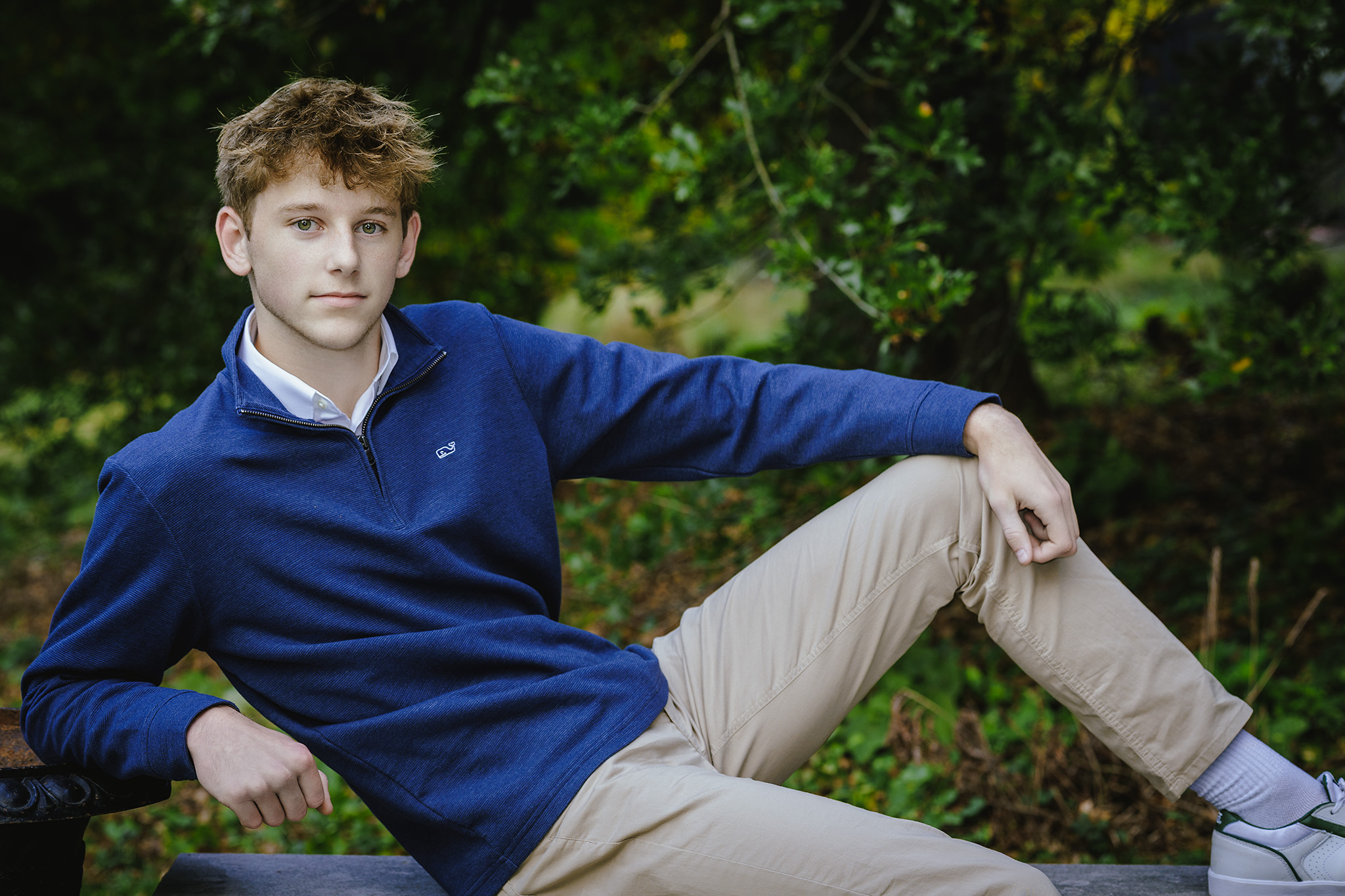
Nearly everyone feels awkward in front of a camera sometimes. Even people who enjoy being photographed can become unusually aware of their hands, their expression, and where they are supposed to look as soon as a lens points toward them.
I have learned that looking natural is not really about knowing a collection of poses. It is more about having something simple to do, enough time to settle in, and a person behind the camera who pays attention.
Here are a few ideas I have found useful. Think of them as experiments rather than instructions because different people become comfortable in different ways.
Begin With a Small Movement
Holding a position can make every part of the body feel important at once. Gentle movement gives that attention somewhere to go.
Try walking a few steps, shifting your weight, turning toward the light, adjusting a sleeve, or brushing your hair back. The movement does not need to be large. Often the useful photograph happens as you arrive at a position rather than after you freeze in it.
Movement also creates small changes in posture and expression that would be difficult to arrange deliberately.
Explore Different Angles
Facing the camera directly can feel strong, open, and intentional. Turning slightly can feel quieter or more relaxed. Neither is a correction; they simply create different kinds of portraits.
It can help to turn your shoulders a little, let one foot carry more of your weight, and then slowly look back toward the camera. Small changes are usually enough. The goal is not to discover one “best” angle, but to see which position fits the mood and feels comfortable.
Give Your Hands an Easy Job
Hands often reveal tension first because we suddenly do not know what to do with them.
You might rest a hand in a pocket, touch a jacket lightly, hold one hand loosely in the other, or let your arms fall naturally after a movement. A useful trick is to shake out your hands for a second before beginning. It sounds almost too simple, but it helps release the stiffness that comes from concentrating.
Hands do not have to be perfectly arranged. They just need permission to relax.
Let Your Face Settle
People sometimes hold their breath while waiting for a photograph. A slow breath out can soften the jaw, shoulders, and eyes all at once.
There is no need to produce a smile for every frame. A thoughtful expression, a half-smile, or the moment just after laughter may feel much more like you. Conversation helps because it gives the expression a real source instead of asking the face to perform one on command.
Give Your Eyes Somewhere to Go
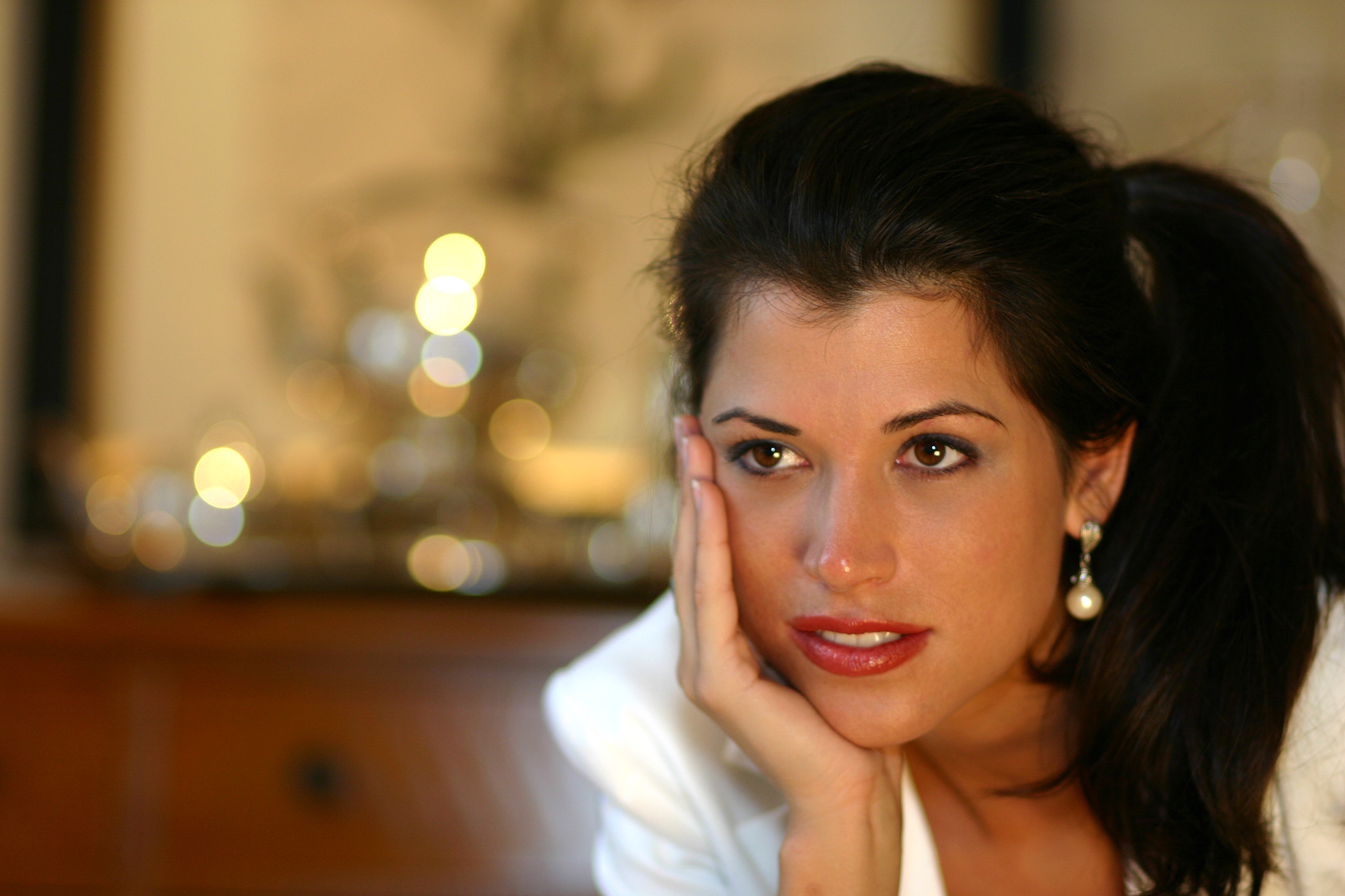
Looking directly into the lens creates connection, but doing it continuously can feel intense. It is perfectly natural to look toward the light, down at your hands, past the camera, or at someone nearby.
One approach I like is to begin by looking away and then return to the lens slowly. The transition gives the eyes a sense of life, and each point along the way creates a slightly different feeling.
Hold Something You Actually Use
An object can make a portrait feel easier because it gives both the hands and the mind a purpose. A coffee cup, book, pair of glasses, flowers, jacket, or musical instrument can all work.
The best choice is usually something that belongs naturally in the moment. If it has personal meaning, even better. It can prompt a memory or conversation instead of functioning as decoration.
When Two People Are in the Picture
Photographing two people becomes more natural when their attention is allowed to move between each other and the camera.
Walk together, share a story, lean closer, or make a small adjustment to each other’s clothing. These actions do not guarantee a particular expression, which is exactly why they can feel genuine. The photograph becomes less about two people holding the same pose and more about the relationship between them.
The Person Behind the Camera Matters
Feeling comfortable is not solely the responsibility of the person being photographed. A thoughtful friend behind the camera can make an enormous difference by keeping the conversation going, offering one suggestion at a time, and allowing pauses.
Clear direction can be helpful, but it should feel like collaboration. “Turn a little toward the window and see how that feels” leaves more room for personality than trying to place every part of someone into a perfect position.
Allow a Few Warm-Up Frames
The first photograph does not need to be the important one. It takes a little time to become accustomed to the camera and to the rhythm of making pictures together.
Some frames will be transitions, experiments, or near misses. They are not wasted. Each one helps both people understand what feels right, and occasionally the supposed warm-up becomes the favorite.
Natural portraits are not created by pretending the camera is absent. They come from becoming comfortable enough that the camera is no longer the most interesting thing in the room. Start with movement, conversation, or a familiar object, and give the moment time to become its own.