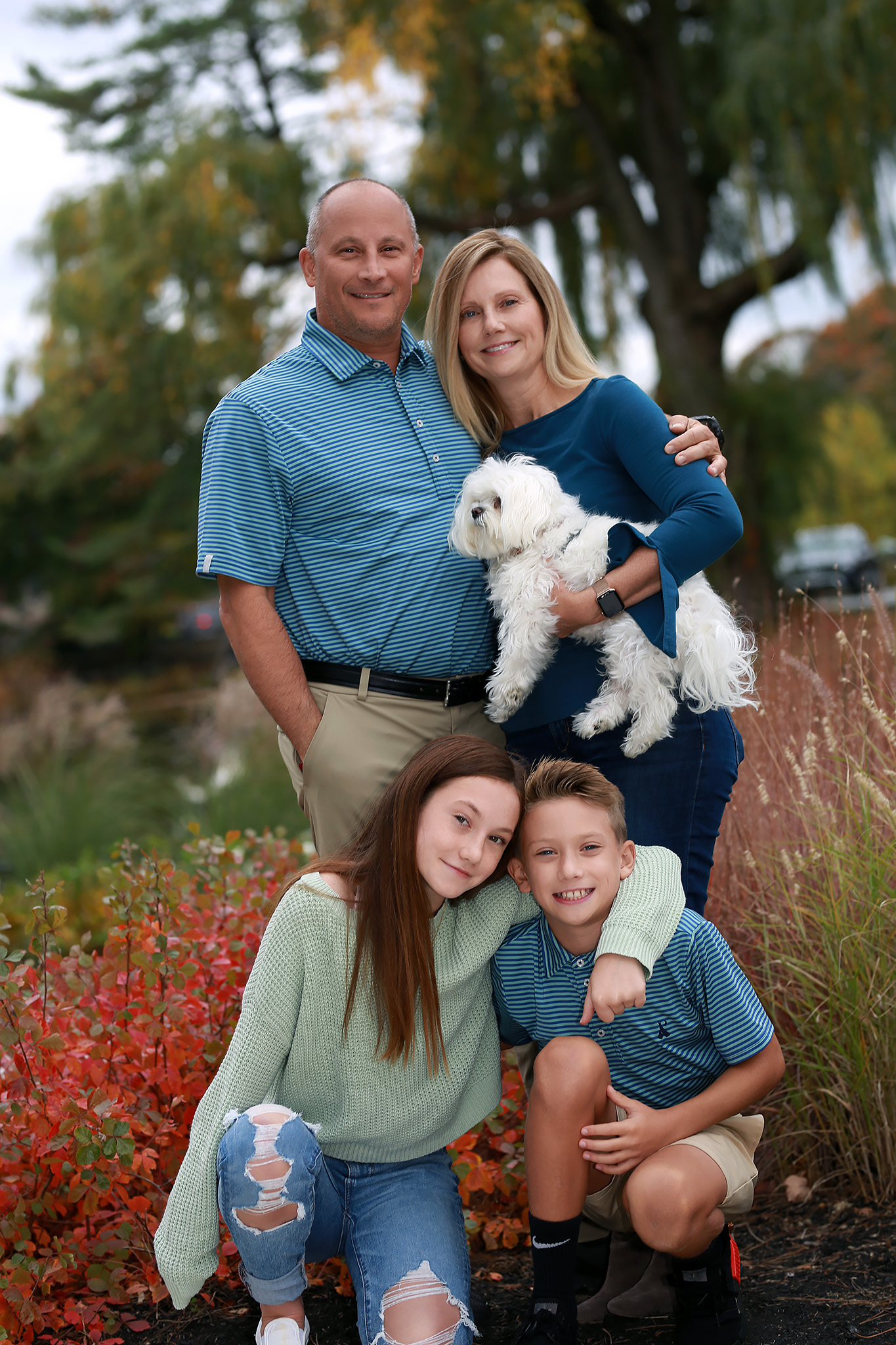
Some portraits are beautifully made, but the ones I remember usually have something more: they feel unmistakably connected to the person in them.
That feeling rarely comes from an elaborate setup. More often, it grows from a few small choices: a familiar place, clothing that feels natural, or an object with a story behind it. After years of making portraits, I have found that these details matter most when they help someone forget that a photograph is being made.
These are not rules for getting ready. They are simply a few things worth thinking about the next time you step in front of a camera, whether a friend is taking the picture or you are creating something more planned together.
Start With a Place That Means Something
A location does more than fill the background. It influences how a portrait feels and how comfortable you are while making it.
The most interesting choice is not always the most dramatic place. It might be a street you walk often, a park where you spend quiet afternoons, a corner of the city you love, or a stretch of coast that already holds memories. Familiar surroundings give you something real to interact with, and that often comes through in the picture.
Around Boston and New England, I am naturally drawn to old brick, coastal light, wooded paths, and the changing seasons. But the useful question anywhere is the same: does this place add something to the story, or is it merely attractive?
Do Not Overlook Home
Home is one of my favorite places to explore with a camera. It already contains the rhythms and details of a person’s life, so very little has to be invented.
A window, a favorite chair, a kitchen counter, or even a quiet patch of floor can be enough. Window light changes throughout the day and can make an ordinary room feel completely different. More importantly, people tend to settle into familiar spaces. Posture softens, expressions become less guarded, and the portrait begins to feel lived in rather than arranged.
The room does not need to be perfect. Sometimes the small imperfections are exactly what make the photograph personal.
Wear Something That Still Feels Like You
Clothing affects color, shape, texture, and mood, but it should not feel like a costume chosen for the camera.
A good starting point is something you would happily wear on a day when you want to feel like yourself. Solid colors and subtle textures often let the face hold more attention, while patterns or stronger colors can bring energy when that suits the person. Neither approach is automatically right.
It also helps to notice how clothing relates to the surroundings. Soft earth tones feel at home in a wooded landscape; darker or more structured clothing can echo an urban setting. When two or more people are in the frame, colors can belong to the same general family without matching exactly.
Comfort matters more than any formula. If you keep adjusting an unfamiliar outfit, that distraction will probably follow you into the photographs.
Include Something With a Story
An object can give hands something natural to do, but its real value is the connection it creates.
It could be a book you return to, an instrument you play, flowers from the garden, a well-used camera, or a mug that appears every morning. The object does not have to be prominent. Even a small detail can suggest a life beyond the edge of the frame.
I find this much more interesting than adding a prop simply because it looks good. A meaningful object invites a memory, a gesture, or a conversation, and those often lead to the most honest expressions.
Leave Space for the Unplanned
It is useful to begin with an idea, but portraits often become interesting when the plan loosens. A gust of wind, a glance away, an unexpected patch of light, or the pause between two attempts can change the picture completely.
That is one reason I try not to make every detail perfect before starting. A portrait is not only a record of how someone looked. At its best, it carries a little of how it felt to be there.
The next time you are photographed, choose one thing that feels genuinely yours, such as a place, an outfit, or an object, and let the rest grow from it.